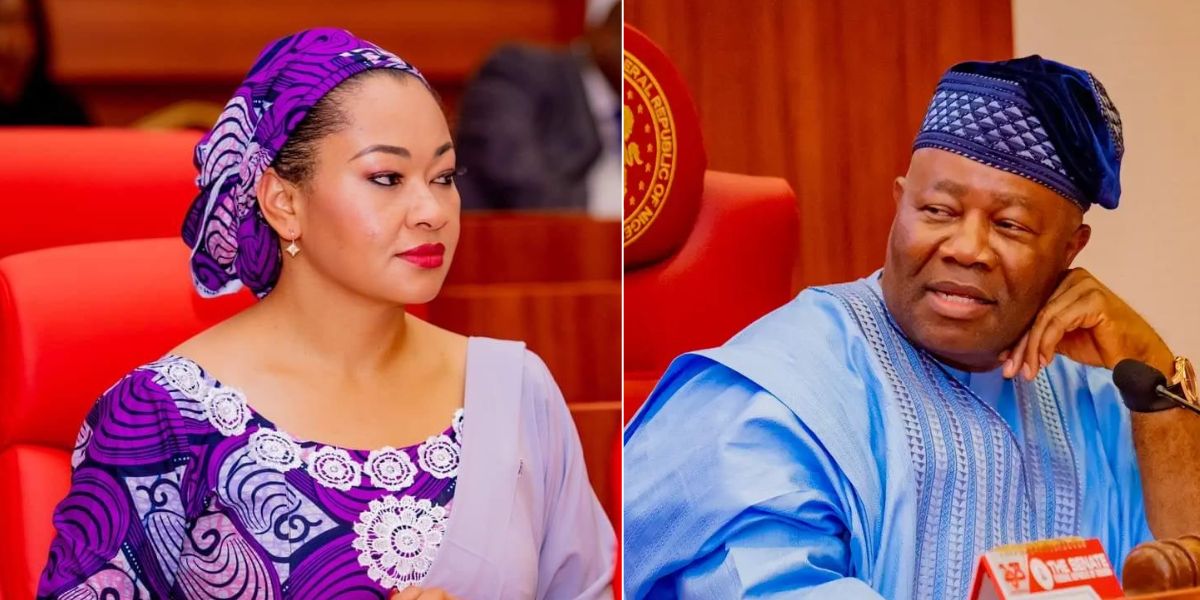
The decision by the Federal Government to withdraw the criminal defamation case against Senator Natasha Akpoti-Uduaghan is more than a legal development, it is a moment that invites deeper reflection about power, speech, and accountability in Nigeria’s democracy.
Court records show that the Office of the Attorney General filed a notice of discontinuance at the Federal High Court on December 12, 2025, ending months of criminal proceedings against the senator.
The charges had emerged from petitions filed by Senate President Godswill Akpabio and former Kogi State Governor Yahaya Bello, following Akpoti-Uduaghan’s televised claim that powerful political figures were plotting to eliminate her.
What is striking is the context. Before the case was filed against her, the senator had reportedly petitioned the Inspector-General of Police, alleging threats to her life yet those complaints appeared to go unanswered.
Instead, the conversation shifted toward punishing her speech, with charges of criminal defamation and cyberbullying brought to court.
Among the names listed as prosecution witnesses were notable figures, including Kogi State Governor Usman Ododo, Senator Ekpenyong Asuquo, Ambassador Reno Omokri, and Sandra Duru a lineup that underscored just how political the matter had become.
By withdrawing the case, the Federal Government has effectively acknowledged that pursuing criminal penalties over contested political statements may do more harm than good. In modern democracies, robust and sometimes uncomfortable public debate is not only inevitable; it is essential.
Resorting to criminal defamation laws risks turning legitimate criticism into a crime and sets a dangerous precedent where powerful individuals can use state machinery to intimidate opponents.
This episode should prompt wider conversation about reforming defamation laws, strengthening protections for whistle-blowers and political critics, and ensuring that allegations of threats are investigated with the seriousness they deserve regardless of who is involved.
For Senator Akpoti-Uduaghan, the legal cloud has lifted. For Nigeria, the bigger question remains: will we continue to police speech with criminal sanctions, or finally build a system where transparency and accountability are not treated as threats?
